Skillet cooking basics
With Skillet Cooking, you’ll have an affordable, mouth-watering meal on the table the whole family will enjoy in just a matter of minutes.
Skillet Cooking Basics
This is primarily a preparation technique for recipes that call for browned Ground Beef. But can also apply to cuts you might thinly slice before cooking — think Flank Steaks. Once the beef is cooked, it can go into a variety of recipes. Check out our Skillet cooking chart for recommendations and guidelines
Prep & Preheat
Pull meat directly from fridge and heat a large, heavy-bottomed skillet over medium heat. It’s important to have a large skillet so there's plenty of room for the beef to brown evenly. If your recipe calls for more than a couple pounds of Ground Beef, it’s OK to cook in batches.

Crumble & Brown
Use a wooden spoon or potato masher to break the Ground Beef into crumbles as you’re cooking. Stir lightly to ensure even cooking. Depending on your recipe, you may need to brown the meat only lightly, because it will continue to cook later on.

Drain
Most recipes call for the Ground Beef to be drained after browning. In extra-lean Ground Beef, there may not be much to drain at all.

Savor Your Options
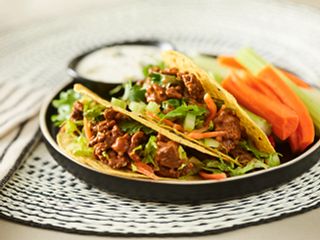
Now's the time to put that delicious Ground Beef to good use in your favorite recipe. Looking for inspiration? Check out Confetti Beef Tacos, Mediterranean Beef and Salad Pita, Wrangler’s Beef Chili and more.
Cooking Tip
Use a potato masher to break up Ground Beef into small crumbles while browning.
Glossary
Seasoning
We're not talking spices — in this case, seasoning is all about preparing a cast iron skillet for cooking. Methods may differ, but the end result of a well-seasoned pan is a non-stick surface and years (if not decades) of perfectly browned meat.
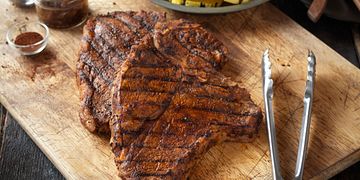
Grilled T-Bone Steaks with BBQ Rub
Grilled T-Bone Steaks with BBQ Rub
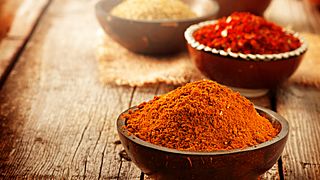
This could be called beef at its best. A simple rub including chili powder, garlic and brown sugar adds that special touch.
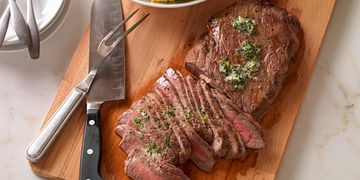
Classic London Broil
Classic London Broil
Despite it's name, this recipe is very American. London Broil is made with Top Round Steak, marinated for hours in a flavorful mixture, broiled in the oven, and served with a delicious herb-butter.
Grilled London Broil
Grilled London Broil
Enjoy a spin on the traditional London Broil by taking it to the grill. A flavorful marinade tenderizes the steak. Serve with onions and asparagus for a pop of color on your plate.
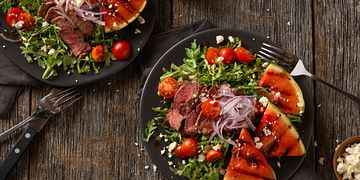
Grilled Steak and Watermelon Salad
Grilled Steak and Watermelon Salad
Watermelon and steak are grilled and served with a bright and colorful salad. This recipe is perfect for summertime.
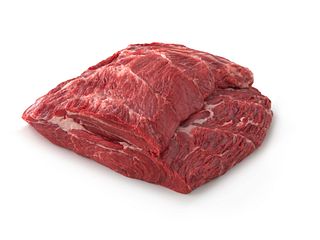
Chuck Eye Roast
This cut is a good value with loads of beef flavor. Roast to highlight natural tenderness and flavor.
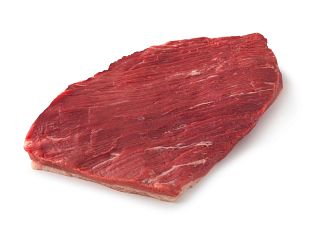
Brisket Flat Half
The leaner half of the whole Brisket also known also as the “first cut,” this full-flavored meat can be sliced or shredded.
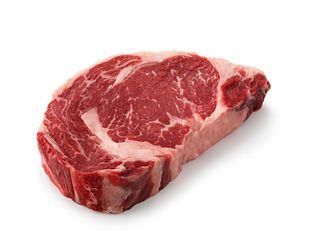
Ribeye Steak
This steak is rich, juicy and full-flavored with generous marbling throughout. Sold bone-in. Due to the exceptional taste and tenderness Beef Rib Steaks deliver for operators and diners alike. Bone In Rib Steaks offer great plate coverage and impressive presentations.
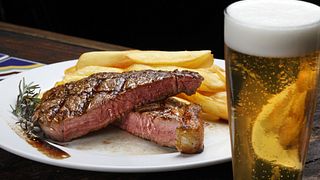
Pairing Beef and Alcohol
While it all comes down to personal preference, we have compiled some general guidelines to finding the perfect beef and alcohol pairing.
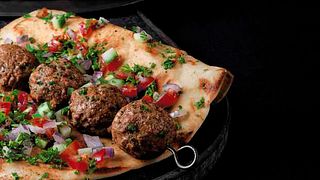
Explore Our Recipe Collections
Apply your cooking skills in the kitchen by trying one of our delicious recipes. No matter what you're in the mood for, we have a recipe collection that is sure to satisfy.
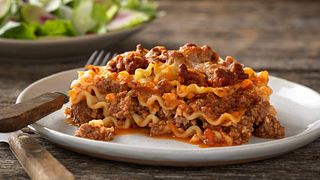
Rancher Recipes
Crafted by ranchers across America, these recipes are flavorful, nutritious and proven to satisfy the heartiest of appetites.
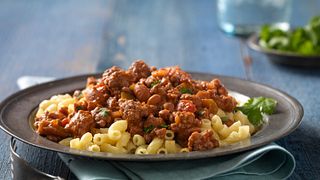
Ground Beef Recipes
The versatility of Ground Beef has made it one of America’s all-time favorite. From hamburgers to lasagna, tacos to meatloaf, pasta sauce to wraps, Ground Beef offers easy and delicious options for any meal.