
Beefed Up Basics
Pantry and freezer staples don't have to be boring. Adding beef to a dish elevates and stretches almost any pantry staple ingredient into something delicious and more nutritious. We've partnered with chef influencers Nyesha Arrington, Adam Witt and Alexa Santos to inspire you to elevate basic pantry staples by simply adding beef.
Household Basics Become Extraordinary Meals
Beef & Collard Fried Rice
Nyesha Arrington shares tips for how to stretch a premium cut of beef to feed a crowd using leftover rice.
Flank Steak Satay
Adam Witt creates a sauce from an everyday pantry staple to boost the flavor of an affordable beef cut.
Tater Tot Tostadas with Carne Asada
Alexa Santos takes a basic freezer staple and creates elevated beefy bites.
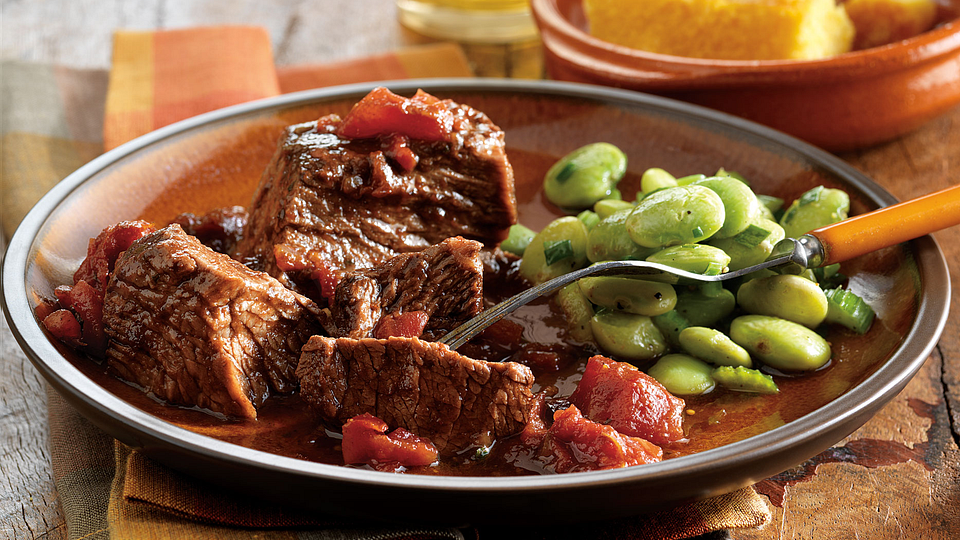
Pantry Staples Upgraded
A tasty recipe doesn't need to include a refrigerator’s worth of ingredients... we’re all about keeping it simple. Check out this collection of recipes using 5 ingredients or less. They are so flavorful, you won’t believe they use so few ingredients.
Meal Planning Tips and Tricks
Planning ahead in the kitchen saves time and helps make the most of your budget. Meal prepping and planning for leftovers is a cinch when you start out strong with perfectly prepared beef.
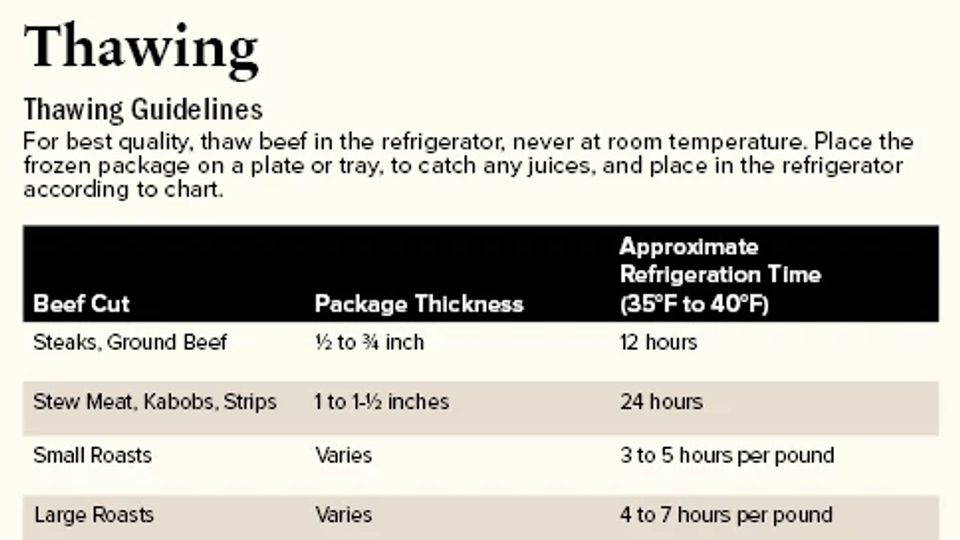
Ground Beef Thawing Guidelines
- For best quality, plan ahead and thaw beef in the refrigerator. Never at room temperature. Place the package on a plate or tray to catch any juices and place in the refrigerator according to the chart.
- Cold Water Thawing Method: Place beef in a leak-proof plastic bag for faster thawing. Submerge in cold tap water; changing the water every 30 minutes. Cook immediately after thawing.
- Microwave Thawing: Forget to take out your ground beef? According to the USDA, you can thaw it in the microwave but cook the same day. Cook meat immediately after microwave thawing.
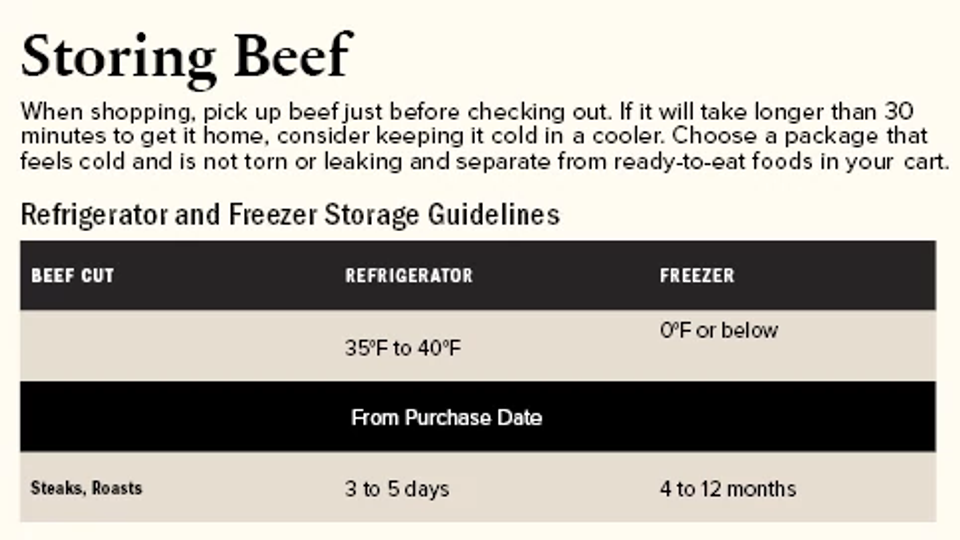
Storing Beef Guidelines
- Choose a package that feels cold and is not torn or leaking. Refrigerate (on the lowest shelf to catch juices) or freeze after purchasing.
- Re-package into 'right-size' portions for easy meal planning.
- Freeze beef in its original packaging for up to 2 weeks. For longer storage, wrap in heavy-duty aluminum foil or a freezer bag, removing as much air as possible.
- Label packaging with the date, cut, weight and/or number of servings. Practice a FIFO (First In, First Out) inventory system.
- Refrigerate leftovers promptly after serving (generally within 2 hours of cooking).
Reheating Tips
Reheating beef can be a hurdle for with fear of drying out the meat. In order to keep beef juicy, mix in a splash of low-sodium beef broth and wrap beef loosely in a foil packet or oven-safe pan covered with foil. Reheat in a preheated 350°F oven low and slow until the beef reaches a safe internal temperature.
?u=nvwl20&crop=yes&keep=c "Slow-Roasted Boneless Short Ribs")
Make the Most of Your Meals with Leftover Beef
Looking to use leftovers from last night's dinner? Learn delicious ways to make beef go further by using leftovers with meal planning tips from our pro's.
Beef 101 Lessons
Why Salt Matters
Salt seems simple, but when and how you use it can transform the flavor of beef. Learn why salt matters, how it enhances flavor and how proper salting can improve texture, juiciness and overall cooking results.
When and How to Season Beef
We break down the important (and often misunderstood) step in cooking beef: seasoning. Discover when to season, how much to use and how different seasonings — like salt, spices, and rubs impact your result.


Cooking Lessons
Want to know how to make a delicious stir-fry or how to perfectly brown Ground Beef? Our cooking lessons have everything that you need!
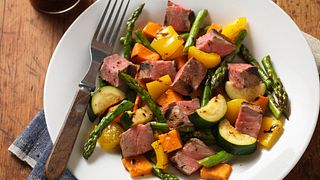
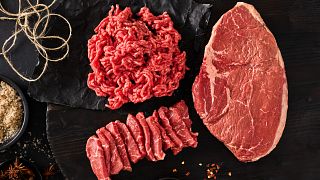
Affordable Beef Cuts
These overlooked budget-friendly faves – like Chuck Eye Roast, Sirloin Tip Steak and Brisket – are sure to delight your table.